Understanding Agentic AI: The Autonomous Artificial Intelligence Revolution in IT in 2026
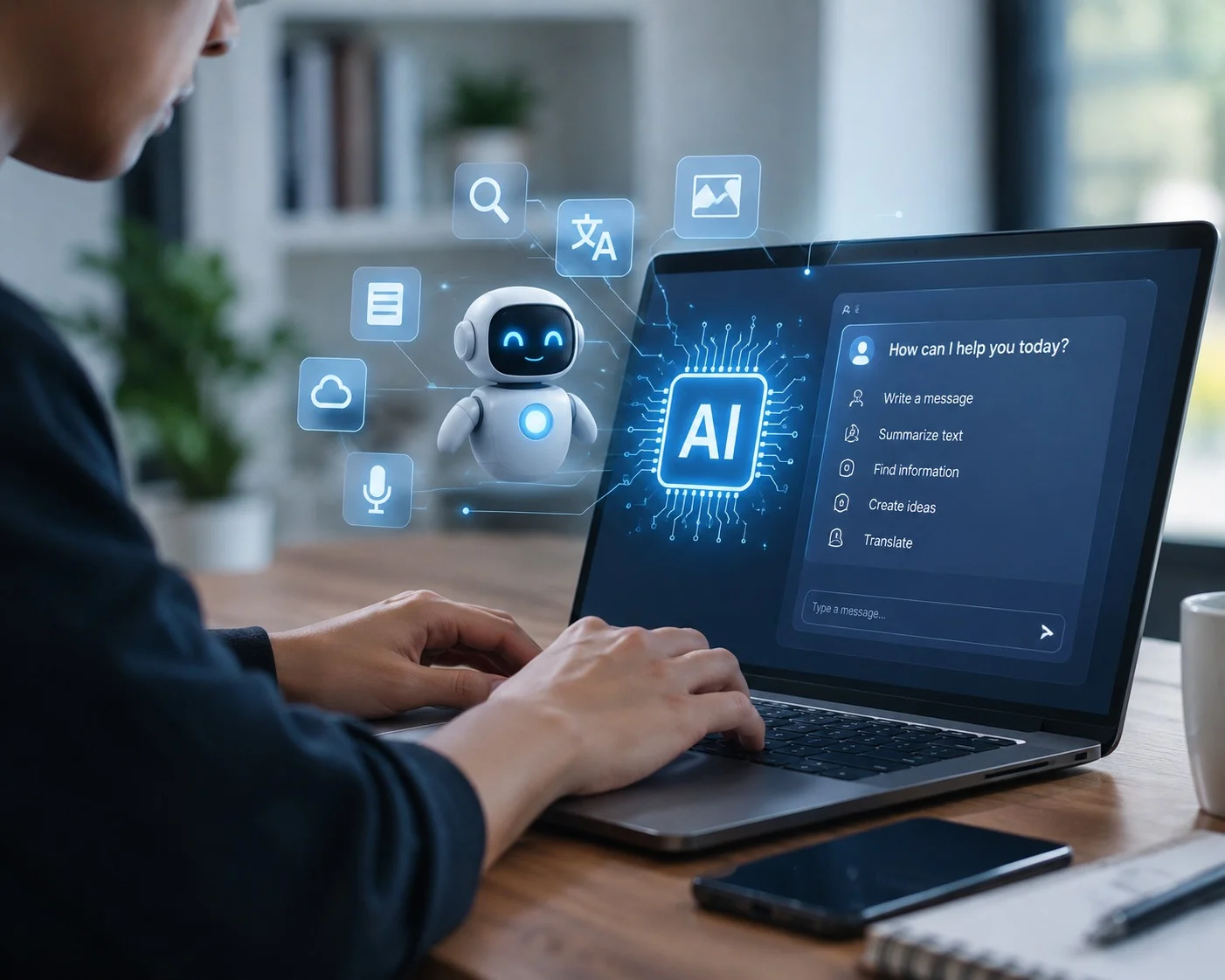
Artificial intelligence is evolving from a passive Q&A assistant into an autonomous system capable of planning and executing complex tasks independently. Explore a comprehensive guide on how Agentic AI works, its core benefits, security challenges, and its impact on the future of the IT industry.
Table of Contents
The evolution of information technology (IT) in 2026 has entered a deeply transformative chapter. While the past few years were dominated by generative AI tools designed to produce text, images, or code snippets based on step-by-step user prompts, the tech industry is now centered on the next major leap: Agentic AI, or Autonomous AI Agents.
This shift represents more than a simple software upgrade. It marks a fundamental change in how digital systems operate, make decisions, and collaborate with human professionals.
What Is Agentic AI?
Agentic AI refers to artificial intelligence systems engineered with a high degree of autonomy to achieve specific goals. Unlike traditional chatbots that remain passive until prompted, an AI agent can interpret an overarching objective, break it down into actionable subtasks, interact with external tools (such as web browsers, databases, and code terminals), and self-correct based on real-time feedback.
In simple terms, while earlier AI models functioned as assistants waiting for instructions, Agentic AI operates like a proactive digital coworker.
How Agentic AI Is Transforming the IT Industry
The adoption of autonomous agents is driving major advancements across core IT disciplines, particularly in operational speed and accuracy:
- Autonomous Software Engineering: AI agents can now read bug tickets, analyze entire code repositories, write patches, execute automated test suites, and submit pull requests for final human code review.
- Proactive Cybersecurity (Autonomous SecOps): Within security operations centers, intelligent agents monitor network traffic continuously. When an anomaly or cyber threat is detected, the system can isolate affected servers and deploy security patches within seconds.
- Smart Cloud Infrastructure Management: DevOps teams rely on autonomous agents to dynamically balance server workloads. These agents predict traffic spikes and adjust cloud resources automatically to ensure uptime while minimizing infrastructure costs.
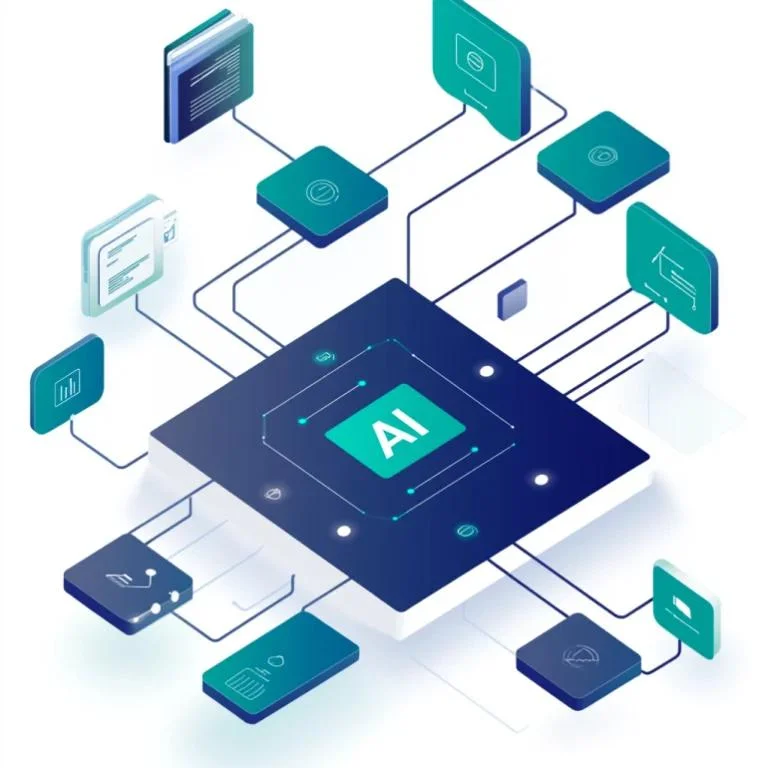
- Cross-Platform Workflow Automation: Enterprises are increasingly deploying multi-agent ecosystems—combining data research agents, financial analysts, and customer support agents—to streamline complex business operations end-to-end.
Governance and Security Challenges
Despite delivering remarkable efficiency gains, integrating Agentic AI introduces critical risks that IT leaders must address carefully:
- Unintended Autonomous Actions: Because agents often hold direct permissions to modify databases or production environments, flawed reasoning can lead to cascading errors without strict guardrails.
- Access Control and Data Privacy: Granting API keys and system credentials to autonomous software demands robust identity management and encryption to prevent unauthorized exploitation.
- Auditability and Transparency: Organizations must maintain comprehensive logging frameworks to trace every action and decision path taken by an AI agent.
The Evolving Role of IT Professionals
The rise of autonomous systems naturally raises questions about the future of technology careers. In reality, Agentic AI shifts human expertise toward higher-level architectural and strategic responsibilities.
Software engineers and IT specialists are increasingly stepping into roles as system architects and AI supervisors. Designing secure guardrails, aligning technical workflows with real-world business goals, and ensuring ethical compliance remain distinctly human strengths that technology cannot replace.
Conclusion
Agentic AI stands as a defining milestone in modern information technology. By combining the tireless execution speed of autonomous agents with human strategic oversight, businesses and developers can build digital ecosystems that are smarter, safer, and far more resilient.

Uploaded by
M.Razqa El Farabi
Tech Contributor