Understanding Task Automation with AI
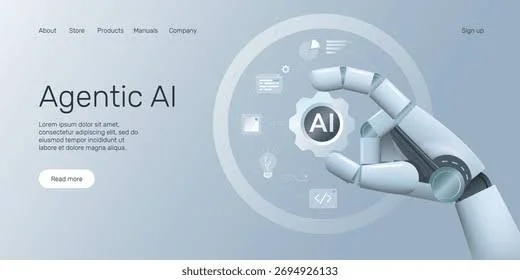
This article explains AI-powered automation, its benefits for improving productivity, and examples of its use in everyday life, education, and programming. It also discusses the challenges of using AI and provides tips for using it effectively, safely, and responsibly.
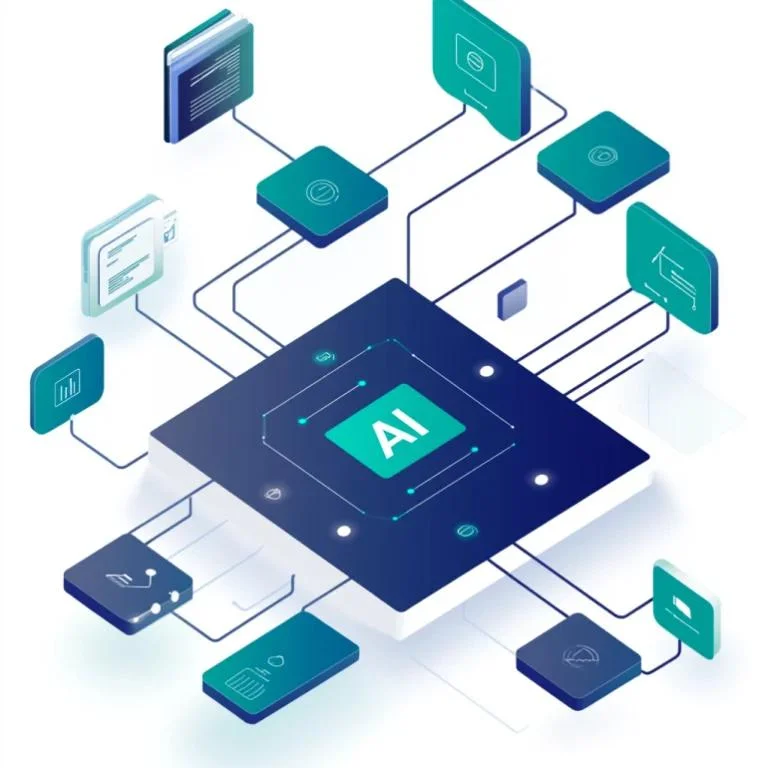
Table of Contents
Introduction
The development of Artificial Intelligence (AI) has changed the way people complete their work. Tasks that previously required considerable time can now be supported by AI technology, from processing information to preparing documents.
AI-powered automation involves using artificial intelligence to help perform specific tasks more efficiently. This technology can be applied in education, business, and everyday life. By understanding how it works, users can take advantage of AI to improve productivity.
1.What Is AI-Powered Automation?
AI-powered automation is the use of artificial intelligence systems to assist with tasks while requiring limited human intervention or automating certain parts of a process.
Unlike traditional automation, which generally follows fixed rules, AI-based systems can use data to recognize patterns, interpret inputs, and generate responses. However, their capabilities still depend on the technology, data, and instructions being used.
Examples include tools that help organize emails, chatbots that answer common questions, and systems that summarize long documents into shorter pieces of information.
2.Benefits of AI-Powered Automation
A. Saving Time
AI can help speed up repetitive tasks. For example, users can use AI to summarize learning materials, prepare report outlines, or organize information into specific categories.
By using time more efficiently, users can focus on other tasks that require greater attention and critical thinking.
B. Improving Productivity
AI can help users complete different stages of a task in a more organized way. In the workplace, this technology can be used to process data, draft documents, and support workflow management.
For students, AI can explain difficult concepts, provide practice examples, or help create study schedules. However, the results should still be reviewed to ensure they meet the user's needs.
C. Reducing Errors in Repetitive Tasks
Repeated tasks can lead to mistakes caused by human oversight. Automation can help reduce certain errors, such as organizing data according to predefined rules.
Nevertheless, AI does not always produce correct results. Human review remains necessary, especially when dealing with important information and decisions with significant consequences.
3.Examples of AI in Everyday Life
A. Writing and Summarizing
AI can help create writing outlines, improve grammar, and summarize lengthy reading materials. These features are useful when users need to understand information within a limited amount of time.
Users should review the content and adapt it to their goals to ensure that the final result is accurate and reflects their own understanding.
B. Managing Information
Some AI tools can help organize notes, create task lists, and find specific information within collections of data. This can make it easier to manage projects with multiple components.
C. Supporting Programming
In programming, AI can explain code, provide syntax examples, and identify possible causes of errors. For beginners learning HTML, CSS, JavaScript, or PHP, this technology can serve as a learning assistant.
However, AI-generated code must be understood and tested before use. Using code without understanding how it works can make troubleshooting more difficult when errors occur.
4.Challenges of Using AI
Although AI offers many benefits, it also presents several challenges. One concern is the possibility of inaccurate information. AI may generate answers that sound convincing even when the content is incorrect.
Users must also consider data privacy. Avoid entering passwords, sensitive personal information, or confidential documents into AI services without first understanding their security measures and data policies.
Excessive dependence on AI may also reduce opportunities to develop critical thinking and independent problem-solving skills. Therefore, AI should be used as an assistant rather than a replacement for the entire human thinking process.
5.Tips for Using AI Effectively
To get useful results from AI, users can follow these steps:
- Identify the task they want to complete before using AI.
- Provide clear instructions and the necessary context.
- Verify facts, numbers, and generated information.
- Avoid entering confidential information or sensitive personal data.
- Study the results to continue developing knowledge and skills.
- Use AI responsibly and follow applicable rules.
Conclusion
AI-powered automation can help speed up tasks, improve productivity, and simplify information management. This technology can support activities in education, business, and programming.
However, AI-generated results have limitations and should be reviewed before use. By understanding its benefits, risks, and proper applications, users can make AI a valuable tool for completing tasks more effectively and responsibly.

Uploaded by
Muazzam Azri Lubis
Tech Contributor